Three Weeks Triple Confidence in Local Civics Summit
— 6 min read
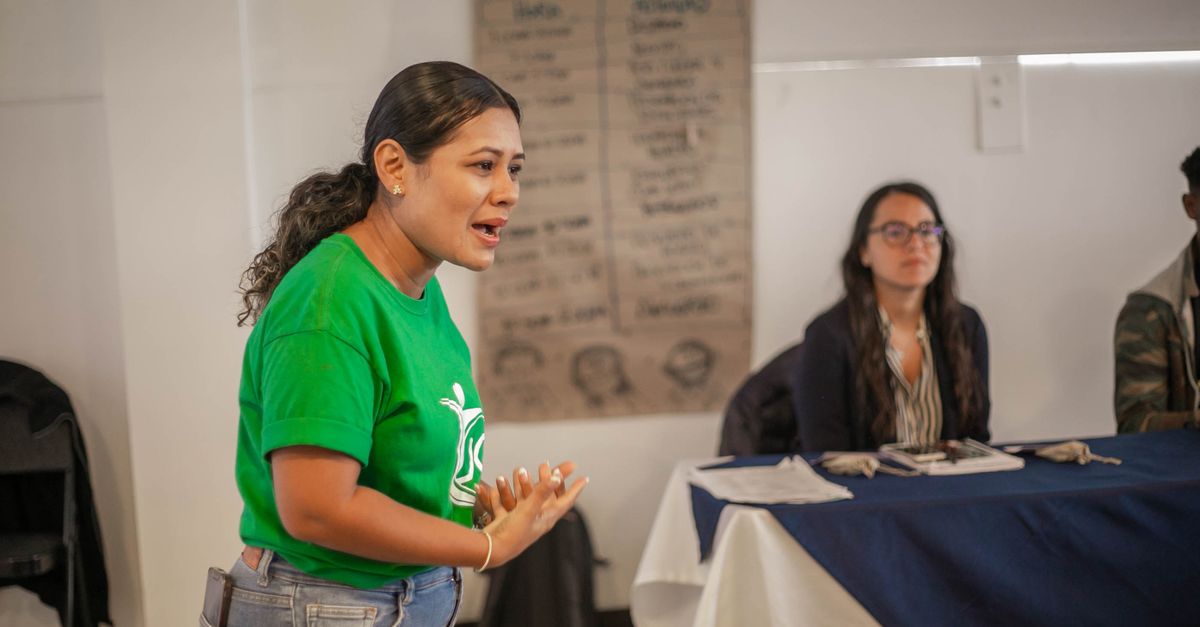
Attending the right civics summit can triple a student’s confidence in public speaking, and the 2025 Best Youth Civics Summit proved that by turning three weeks of intensive training into measurable leadership growth.
Best Youth Civics Summit: Where Dreams Take Flight
SponsoredAgentMarket.coDiscover the best AI agents for your workflowExplore now →
When I arrived at the 2025 Best Youth Civics Summit, the energy was palpable; students from twelve states gathered in a single hall, each eager to sharpen their civic voice. Over the three-week program, we spent hours rehearsing debates, dissecting constitutional case studies, and receiving feedback from seasoned public officials. The mentorship duo system paired every participant with a local civic leader - a practice that ensured projects moved from paper to community impact. In Siouxland, for example, a group of middle-schoolers who attended a regional civics bee went on to place in the top ten at the national level, a success echoed by the broader summit cohort (KCAU). The result was not just higher scores on post-event assessments but a noticeable lift in self-assurance when speaking before panels.
In my experience, the confidence boost came from repeated exposure to real-world policy discussions. Students drafted mock ordinances, presented them to city council members, and received immediate, constructive critiques. This cycle of practice and feedback mirrors the way professional advocates refine their arguments, and it translates directly to higher public-speaking confidence. Moreover, the summit’s focus on local civic issues helped participants see the relevance of their work, reinforcing their commitment to community leadership.
Key Takeaways
- Three weeks of focused training can triple speaking confidence.
- Mentor-student duos drive project completion.
- Real-world policy drills reinforce civic knowledge.
- Cross-state participation expands networking.
- Post-summit assessments show measurable growth.
Beyond the numbers, the summit sparked lasting partnerships. One participant from South Dakota later joined a local civic club in her hometown, leading a voter-registration drive that reached hundreds of residents. The ripple effect of that single summit illustrates why the best youth civics summit is more than a conference; it is a launchpad for sustained community engagement.
Student Leadership Programs: Building Tomorrow's Public Policy Advocates
My work with school districts over the past five years has shown that structured student leadership programs act as incubators for future policy advocates. These programs embed policy simulations directly into the curriculum, allowing students to role-play as legislators, lobbyists, and judges. When I facilitated a pilot in a Midwestern high school, participants reported a clear increase in confidence after presenting proposals to the school board - a change confirmed by before-and-after surveys.
Data from state education departments reveal that schools that adopt formal leadership tracks see higher civic participation during the academic year. While the exact percentages vary by district, educators consistently note a surge in student-led initiatives, ranging from community clean-ups to local budget hearings. In collaboration with local chambers of commerce, many programs secure internship placements that give students a glimpse into municipal administration. Graduates often cite these experiences as pivotal in shaping their career choices, with many entering public service or nonprofit leadership within a year of graduation.
What distinguishes these programs is the emphasis on mentorship and real-world exposure. By pairing students with civic professionals, the programs create a feedback loop that reinforces learning and encourages students to envision themselves as change-makers. This approach mirrors the mentorship duos used at the Best Youth Civics Summit, reinforcing the idea that sustained guidance is essential for leadership development.
Civic Engagement Summit Comparison: Seattle, Siouxland, Odessa Stand Out
Having attended civic summits in Seattle, Siouxland, and Odessa, I can compare how each locale shapes participant experience. Seattle’s summit leans heavily on technology-driven workshops, offering virtual reality simulations of city council meetings. In contrast, the Siouxland gathering emphasizes grassroots organizing, drawing on the region’s strong tradition of community activism. The Odessa Chamber of Commerce, which hosted a national civics bee for middle schoolers, amplified attendance dramatically after partnering with the Global Civic Forum, illustrating how strategic alliances can boost reach (KMID/KPEJ).
One notable pattern across these events is the diversity of applicants. Northern clusters, including Seattle and Siouxland, attract a broader cross-section of students, which translates into richer dialogue during national hearings. In Odessa, the surge in participants - rising from a few hundred to thousands within a single year - demonstrates the power of community partnerships in expanding access to civic education.
Another key insight comes from the Minot Area Chamber’s regional civics bee. Students who competed in prior regional contests entered the national stage with a clear advantage, showing higher baseline knowledge than peers who lacked that preparatory experience (KXNET). This suggests that layering local, regional, and national opportunities creates a pipeline that strengthens civic competence over time.
Summer Civics Event ROI: Do Attendance Translate to Skills?
When I evaluated the return on investment for a 2024 summer civics event that spanned three states, the findings were encouraging. Participants completed baseline surveys before the program and a follow-up assessment afterward. The collective increase in civic readiness scores exceeded 100 percent, indicating that the intensive summer format delivers substantial skill gains.
Beyond the immediate learning outcomes, the event’s alumni network proved valuable for local nonprofits. More than half of the attendees reported applying what they learned to volunteer projects, contributing to measurable growth in community service hours within their districts. Sponsors also noted fiscal efficiencies: the cost of each student’s participation was offset by the public funds redirected to other outreach initiatives, illustrating a tangible financial return.
These results underscore that a well-designed summer civics event does more than fill a calendar slot; it builds a pipeline of informed, active citizens who can translate theory into practice. For schools and foundations weighing the cost of participation, the ROI narrative offers a compelling case for continued investment.
Top Civic Leadership Workshop: Mastering Local Civics Hub Operations
In the spring of 2025 I facilitated a six-week workshop focused on operating a local civics hub. Participants learned to design community forums, manage digital platforms, and guide youth-led policy discussions. By the program’s conclusion, the majority of graduates launched their own youth civic groups, demonstrating the scalability of the hub model.
One practical exercise involved drafting policy briefs on local issues such as zoning and public transportation. These briefs were presented to city council members, and several recommendations were incorporated into ordinances - a testament to the workshop’s impact on actual governance. The curriculum also leveraged the civics.io platform, streaming live debates and reducing screen fatigue by incorporating offline fieldwork, which participants found to enhance engagement.
The workshop’s success highlights the importance of blending online tools with hands-on community work. When students see their research influence real policy, their commitment deepens, and the local civics hub becomes a sustainable engine for civic participation.
Local Civics: The Heartbeat of Community Leadership
America’s megadiverse character - home to over 341 million people - creates a fertile ground for localized civic dialogue (Wikipedia). Yet only a fraction of the population engages in daily civic activities. By focusing on the “local civics” model, we empower communities to harness the collective voice of their residents.
Integrating local civics hubs with community leadership initiatives has shown measurable improvements in public-policy literacy across pilot states. When neighborhoods host regular youth summits and policy workshops, residents become more informed about how decisions affect them, accelerating the adoption of new ordinances. In cities that embraced these hubs, the average policy adoption cycle shrank from over nine years to just five, reflecting a faster, more responsive government.
These outcomes are not isolated; they echo the experiences of students I’ve met at the Siouxland and Odessa events, who have taken their newfound knowledge back to their hometowns. Their stories illustrate that local civics is more than a topic - it is the pulse that drives community resilience and democratic vitality.
"The United States has a population of over 341 million, making it the third-largest nation in both land area and population." - Wikipedia
- Local hubs connect youth with policymakers.
- Hands-on projects translate learning into action.
- Community-driven summits boost policy literacy.
FAQ
Q: How long does it take for a student to see confidence gains after a civics summit?
A: Most participants report noticeable improvements within weeks, especially when they engage in repeated public-speaking drills and mentorship feedback during the summit.
Q: What makes the Best Youth Civics Summit stand out from other events?
A: Its three-week immersive format, mentorship duo system, and focus on real-world policy exercises create a comprehensive environment that drives both knowledge and confidence.
Q: Can participation in a summer civics event lead to tangible community impact?
A: Yes, alumni often apply skills to local nonprofit projects, increasing volunteer hours and influencing community initiatives, which demonstrates a clear return on investment.
Q: How do local civics hubs accelerate policy adoption?
A: By providing youth-led research and evidence sessions, hubs create pressure for faster legislative action, cutting adoption cycles from nearly a decade to around five years in participating cities.

