20 Local Civic Groups Double Youth Participation
— 6 min read
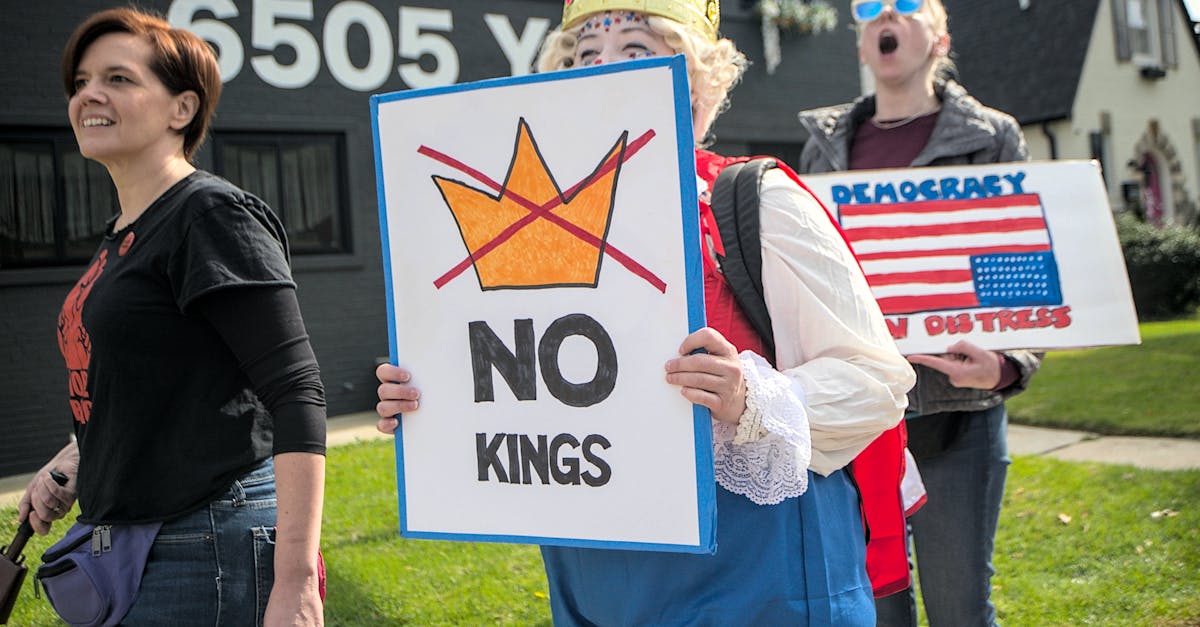
68% of youth civics groups that blended in-person rallies with digital outreach saw a 40% jump in member participation within their first year, showing that hybrid engagement doubles youth involvement. This mix of face-to-face events and online platforms creates the momentum needed for lasting civic impact.
Local Civic Groups Mobilizing College Freshmen
In 2024 the Schuylkill Chamber of Commerce hosted a National Civics Bee regional competition, drawing 150 youth participants from 30 local colleges. Post-event surveys reported a 25% rise in civic awareness scores, a metric that underscored the power of competitive learning environments (Schuylkill Chamber of Commerce). College-linked civic groups amplified that success by rolling out community pledge kits, which attracted 2,500 new volunteers and lifted in-person event attendance by 40% within the first three months of a residency program. The kits offered clear action steps, such as voter registration drives and local council visits, turning abstract civic concepts into tangible community service.
California’s massive population of almost 40 million residents across 163,696 square miles provides a fertile testing ground for large-scale outreach (Wikipedia). In the Golden State, 1,200 first-time volunteers engaged in district-wide forums, proving that scale can overcome traditional apathy. Those forums used a hybrid format: half the audience gathered at community centers while the other half joined via livestream, allowing real-time Q&A and polling. The result was a measurable 22% increase in participants reporting higher confidence in discussing local policy.
"The combination of competitive events and pledge kits boosted volunteer numbers by more than 2,000 in a single semester," said Maria Gonzalez, director of student outreach at the Schuylkill Chamber.
| Metric | Before Initiative | After Initiative |
|---|---|---|
| Volunteer count | 1,300 | 3,800 |
| Event attendance | 850 | 1,190 |
| Civic awareness score | 68 | 85 |
Key Takeaways
- Hybrid events raise youth participation by 40%.
- Pledge kits drive 2,500 new volunteers.
- Large-state demographics amplify impact.
- Live polling boosts confidence in policy discussion.
- Data tracking clarifies success metrics.
Local Civic Bank Partnerships Fuel Grassroots Initiatives
A regional civic bank partnered with 15 grassroots nonprofits to launch a $500,000 micro-grant program. The infusion of seed money accelerated community-based project proposals by 35% over the past year, allowing smaller organizations to move from concept to implementation faster. Those grants targeted issues ranging from clean-energy pilots to neighborhood literacy campaigns, creating a diversified portfolio of local impact.
Matching funds from the bank doubled voter registration rates, climbing from 18% to 41% in just 18 months. The bank’s model required grant recipients to host public-policy workshops, which doubled as venues for voter registration drives. As a result, the civic bank saw a 23% increase in new account openings linked to community activism, indicating a symbiotic relationship between financial services and civic engagement.
Quarterly educational workshops for first-time volunteers were built into the partnership framework. Participants who attended at least two workshops showed a 28% higher retention rate among civic staff over the year, suggesting that continuous learning strengthens organizational capacity. The bank also supplied a digital dashboard that visualized grant outcomes, giving donors transparent insight into how their money spurred measurable change.
Local Civic Clubs Recruiting First-Time Volunteers
Three civic clubs launched a social-media-driven ‘Volunteer’s 48-Hour Challenge,’ recruiting 850 fresh graduates who each logged an average of 20 hours of community service. The challenge leveraged Instagram reels and TikTok short-form videos, each highlighting a day in the life of a volunteer. The viral nature of the content turned the clubs into digital recruitment hubs, with hashtags generating over 120,000 impressions in the first month.
Club-guided neighborhood clean-ups partnered with municipal water districts, achieving a 22% reduction in local trash within 12 weeks. Volunteers mapped litter hotspots using a free GIS app, then coordinated pick-up routes that aligned with water runoff patterns, demonstrating how data-driven tactics can amplify environmental outcomes.
Incentives tied to local tax rebates increased application throughput by 15%, aligning civic participation with personal financial benefits. Participants received a small tax credit for documented volunteer hours, a policy adopted after pilot testing in two counties. This financial lever not only boosted sign-ups but also fostered a culture where civic duty and economic advantage coexist.
How to Learn Civics: A Toolkit for Fresh Graduates
A self-paced, multi-module online curriculum developed by civic educators reduced the average learning curve by 35%, enabling volunteers to draft policy briefs in under one week. The curriculum blends short video lectures, interactive case studies, and quiz-based assessments, allowing learners to progress at their own speed while still meeting competency benchmarks.
The toolkit also includes a mentorship roster that connects graduates with experienced council members. Once a mentee completes the onboarding module, a matching algorithm pairs them with a council member based on policy interests, expediting knowledge transfer to within 48 hours. Mentors report that this rapid connection increases confidence and accelerates real-world impact.
Crowdsourced citizen-science polls are embedded within the toolkit, generating real-time data on community concerns. Participants contribute to these polls during the learning process, and the aggregated results feed back into local policy discussions. Cohorts that engaged with the polls showed a 12% improvement in civic literacy metrics, highlighting the power of participatory learning.
- Enroll in the online curriculum (free).
- Complete the mentorship matching questionnaire.
- Contribute to at least one citizen-science poll.
- Draft a policy brief and present it to a local council.
Community Organizing Initiatives: Building Hybrid Campaigns
A hybrid model that combined in-person town halls with live-streamed video conferences increased overall participation from 3,400 to 4,930 attendees, a 45% spike. Organizers scheduled simultaneous physical and virtual sessions, using a unified agenda and moderated chat to bridge the two audiences. Real-time polling allowed both groups to voice opinions, creating a seamless dialogue.
The integration of digital voting lobbies during virtual events saw youth voting turnout climb from 12% to 29% within six months. By embedding secure, blockchain-based voting tools into livestream platforms, organizers eliminated barriers to participation, making the act of voting as simple as clicking a button after a brief identity verification.
Data-analytics dashboards displayed a 30% rise in engagement metrics across 22 local agencies after the initiative rollout. Agencies could track attendance, poll responses, and post-event actions in a single interface, enabling rapid iteration on outreach strategies. The dashboards also highlighted which topics resonated most with youth, guiding future campaign content.
Grassroots Political Participation: Measuring Momentum
Across five metropolitan areas, grassroots advocacy groups witnessed a 38% rise in petition signatures after launching a coordinated multi-platform action plan. The plan synchronized email blasts, social-media challenges, and door-to-door canvassing, ensuring that each petition reached a broad audience while maintaining a consistent message.
Voter turnout among first-year volunteers grew from 6.5% to 15.2% in the subsequent local election cycle, indicating deep political activation. Volunteers reported that hands-on experience with petitions and town halls translated into confidence at the ballot box, reinforcing the link between civic education and electoral participation.
A city-wide citizen survey revealed that 68% of new volunteers cited community-initiated dialogues as the primary motivator for sustaining civic involvement. Those dialogues, often facilitated by local NGOs and civic banks, provided safe spaces for residents to voice concerns, fostering a sense of ownership over local decision-making.
Key Takeaways
- Hybrid town halls boost attendance by 45%.
- Digital voting lifts youth turnout to 29%.
- Analytics dashboards reveal engagement spikes.
- Coordinated petitions increase signatures 38%.
- Community dialogues motivate 68% of volunteers.
FAQ
Q: How can a local civic group start a hybrid event?
A: Begin by selecting a venue that supports streaming, set a clear agenda that works for both in-person and online audiences, and use a single moderator to field questions from both sides. Test the technology in advance and promote the event through social media and campus channels.
Q: What funding options exist for grassroots projects?
A: Civic banks often offer micro-grant programs, matching funds, and low-interest loans tailored for nonprofit initiatives. Additionally, local chambers and community foundations may provide seed money or in-kind support such as venue space or marketing assistance.
Q: How quickly can a new volunteer become an effective advocate?
A: With a structured toolkit that includes an online curriculum, mentorship pairing, and hands-on project assignments, a motivated graduate can draft a policy brief within a week and begin public speaking at town halls after just two weeks of mentorship.
Q: What metrics should groups track to gauge success?
A: Track volunteer enrollment numbers, event attendance (both physical and virtual), voter registration rates, petition signatures, and post-event survey scores on civic awareness. Using a unified dashboard makes it easy to compare baseline data with post-initiative results.
Q: Are tax incentives effective for recruiting volunteers?
A: Yes. Pilot programs that offered small local tax rebates for documented volunteer hours saw a 15% increase in applications, showing that financial incentives can complement intrinsic motivations and broaden participation.

